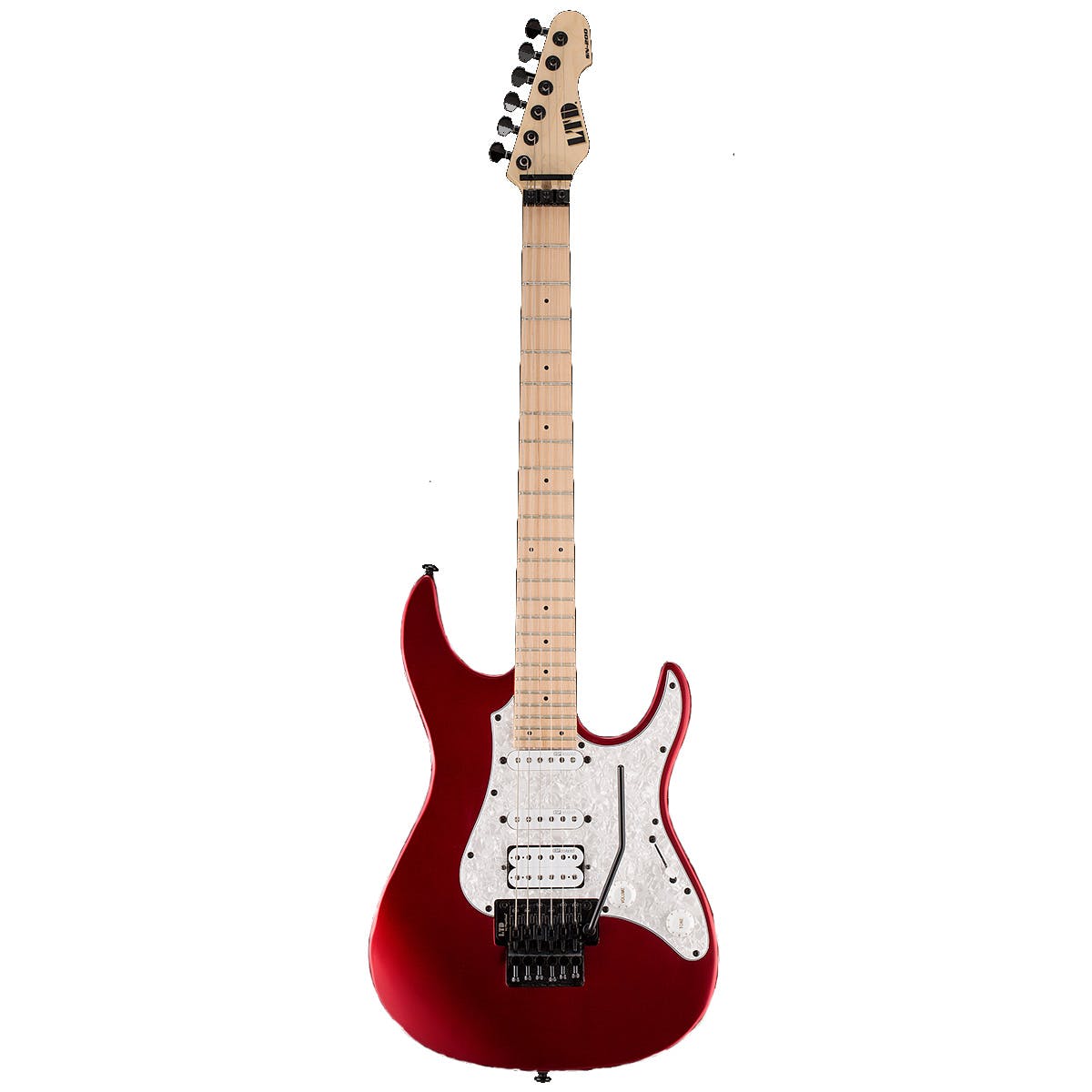
We are passionate about helping guitarists of all levels enhance their playing skills and elevate their musicality. As experienced musicians and dedicated SEO copywriters, we understand the importance of high-quality content that engages readers and ranks well on search engines. In this article, we will provide you with valuable insights, tips, and recommendations to help you improve your guitar skills using exceptional electric guitar backtracks.
Introduction to Electric Guitar Backtracks
Electric guitar backtracks, also known as backing tracks or play-alongs, are professionally recorded musical compositions without the lead guitar part. They serve as a valuable practice tool, allowing guitarists to play along with the backing track and develop their technique, timing, improvisation, and overall musicality.
The Benefits of Using Electric Guitar Backtracks
- Improving Technique: Backing tracks provide an excellent opportunity to practice and refine various guitar techniques. Whether you’re focusing on alternate picking, legato, or bending, the structured nature of backtracks allows you to work on specific techniques and track your progress over time.
- Enhancing Rhythm and Timing: Playing with electric guitar backtracks helps develop a strong sense of rhythm and timing. By aligning your playing with the rhythm section of the track, you’ll learn to lock in with the groove and develop a tight and precise playing style.
- Expanding Musical Vocabulary: Backing tracks often cover various musical genres, including rock, blues, jazz, and more. By exploring different genres through backtracks, you’ll broaden your musical vocabulary, learn new chord progressions, scales, and melodic patterns, and gain a deeper understanding of different musical styles.
- Promoting Creativity and Improvisation: Backing tracks provide an ideal platform for practicing improvisation. As you play along, you can experiment with scales, arpeggios, and chord tones, allowing your creativity to flow and developing your ability to construct expressive guitar solos.
Choosing the Right Electric Guitar Backtracks
To maximize your learning experience and make the most of your practice sessions, it’s crucial to select high-quality electric guitar backtracks that align with your skill level and musical preferences. Here are some factors to consider:
- Genre and Style: Determine the genre or musical style you’re interested in exploring. Whether it’s classic rock, blues, metal, or funk, finding backtracks in your preferred genre will make the practice sessions more enjoyable and relevant to your musical goals.
- Difficulty Level: Consider your current skill level and choose backtracks that challenge you without overwhelming you. Starting with simpler tracks and gradually progressing to more complex ones will help you build a strong foundation and improve steadily.
- Variety and Diversity: Look for backtracks that offer a diverse range of tempos, time signatures, and musical elements. This variety will expose you to different musical contexts and push you to adapt and explore new techniques and ideas.
- Production Quality: Opt for backtracks with high production quality. Clear and well-balanced audio ensures that you can hear all the instruments clearly, making it easier to follow along and play in sync with the track.
Creating an Effective Practice Routine
To achieve the best results and optimize your guitar practice, it’s important to establish an effective routine. Here are some suggestions to structure your practice sessions:
- Warm-up Exercises: Begin each practice session with warm-up exercises to loosen your fingers, improve finger strength, and enhance your dexterity. Incorporate techniques such as scales, chromatic exercises, and finger stretching routines.
- Technique Focus: Dedicate a portion of your practice time to work on specific techniques. Whether it’s sweep picking, string bending, or vibrato, focus on refining your execution and gradually increasing the speed and accuracy of your playing.
- Learning New Songs: Use electric guitar backtracks to learn new songs. Start with simpler tracks and gradually progress to more challenging ones. Pay attention to the nuances of the original recordings, striving to replicate the tone, phrasing, and dynamics of the lead guitar part.
- Improvisation and Soloing: Allocate time for improvisation and soloing practice. Experiment with different scales, modes, and melodic patterns, exploring various tonalities and developing your unique musical voice.
Conclusion
In conclusion, incorporating high-quality electric guitar backtracks into your practice routine can significantly enhance your guitar skills and musicality. By leveraging the benefits of these versatile tools, you can improve your technique, timing, improvisation, and expand your musical vocabulary across different genres. Remember to choose backtracks that align with your skill level and musical preferences, and establish an effective practice routine that encompasses warm-up exercises, technique focus, learning new songs, and improvisation. Elevate your guitar skills today with electric guitar backtracks and unlock your full potential as a guitarist.